Best Skincare Routine for Acne-Prone Skin: Acne is one of the most common skin concerns, especially during the teenage years. Pimples, blackheads, whiteheads and occasional breakouts can be frustrating, but the good news is that acne-prone skin can be managed with a simple and consistent skincare routine. If you are wondering how to treat acne at home, which products to use, or what causes acne in the first place, this guide will help you understand the basics and build an effective skincare routine for acne-prone skin.
What Is Acne?
Acne is a skin condition that develops when hair follicles become clogged with excess oil (sebum), dead skin cells and other debris. This can lead to different types of breakouts, including whiteheads, blackheads and pimples. In more severe cases, acne can cause deep and painful nodules or cysts.Acne is not a sign of “dirty skin.” Washing your face too frequently or scrubbing aggressively can actually irritate the skin and make breakouts worse.
What Does Acne Look Like?
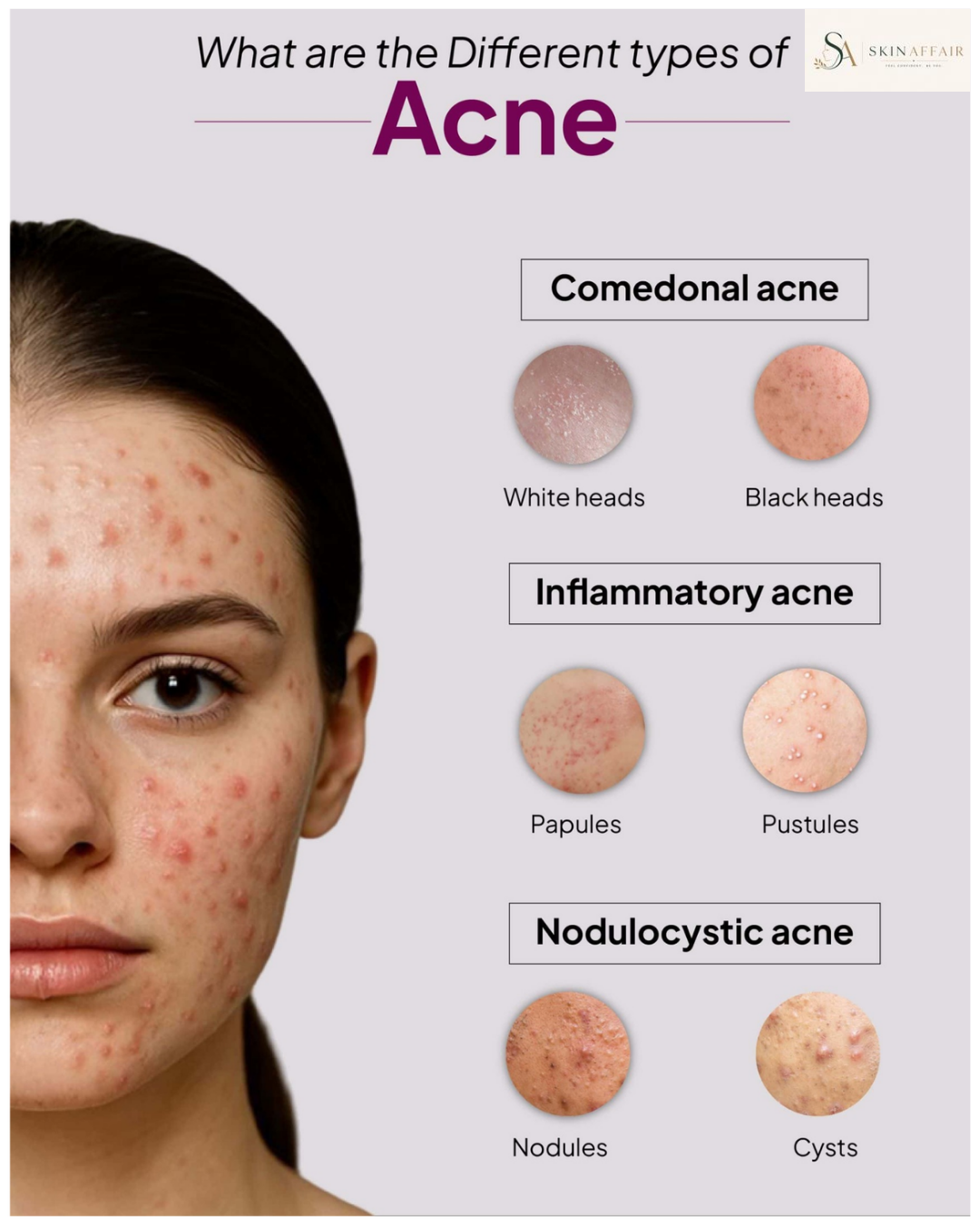
Acne can appear in several forms:
Whiteheads: Clogged pores that remain closed at the surface.
Blackheads: Open clogged pores that appear dark.
Papules: Small, red, inflamed bumps.
Pustules: Inflamed pimples that contain pus.
Nodules: Large, deep and painful bumps.
Cysts: Deep, inflamed acne lesions that may increase the risk of scarring.
Understanding your type of acne can help you choose the right approach to acne treatment.
What Causes Acne?
Acne usually develops because of a combination of factors rather than one single cause.
1. Excess Oil Production
Sebaceous glands produce an oily substance called sebum. Hormonal changes can stimulate these glands to produce more oil, increasing the chance of clogged pores.
2. Clogged Pores
When excess oil mixes with dead skin cells, it can form a plug inside a hair follicle. This can result in blackheads, whiteheads and other types of acne.
3. Acne-Associated Bacteria
Cutibacterium acnes can grow in blocked follicles and contribute to inflammation. This is one reason ingredients such as benzoyl peroxide are commonly used in acne treatment.
4. Inflammation
Inflammation can cause acne lesions to become red, swollen and sometimes painful.
5. Hormonal Changes
Puberty and other hormonal fluctuations can influence oil production and contribute to breakouts. In some people, acne may also be associated with hormonal conditions.
6. Genetics and Other Triggers
Acne can run in families. Certain cosmetics or medications may also contribute to breakouts in some people. Stress and lifestyle factors can also coincide with acne flare-ups, although acne is not simply caused by poor hygiene.
Best Skincare Routine for Acne-Prone Skin
The key to managing acne is consistency, not using dozens of products. A simple routine can help protect your skin barrier while using appropriate acne-fighting ingredients.
Morning Skincare Routine
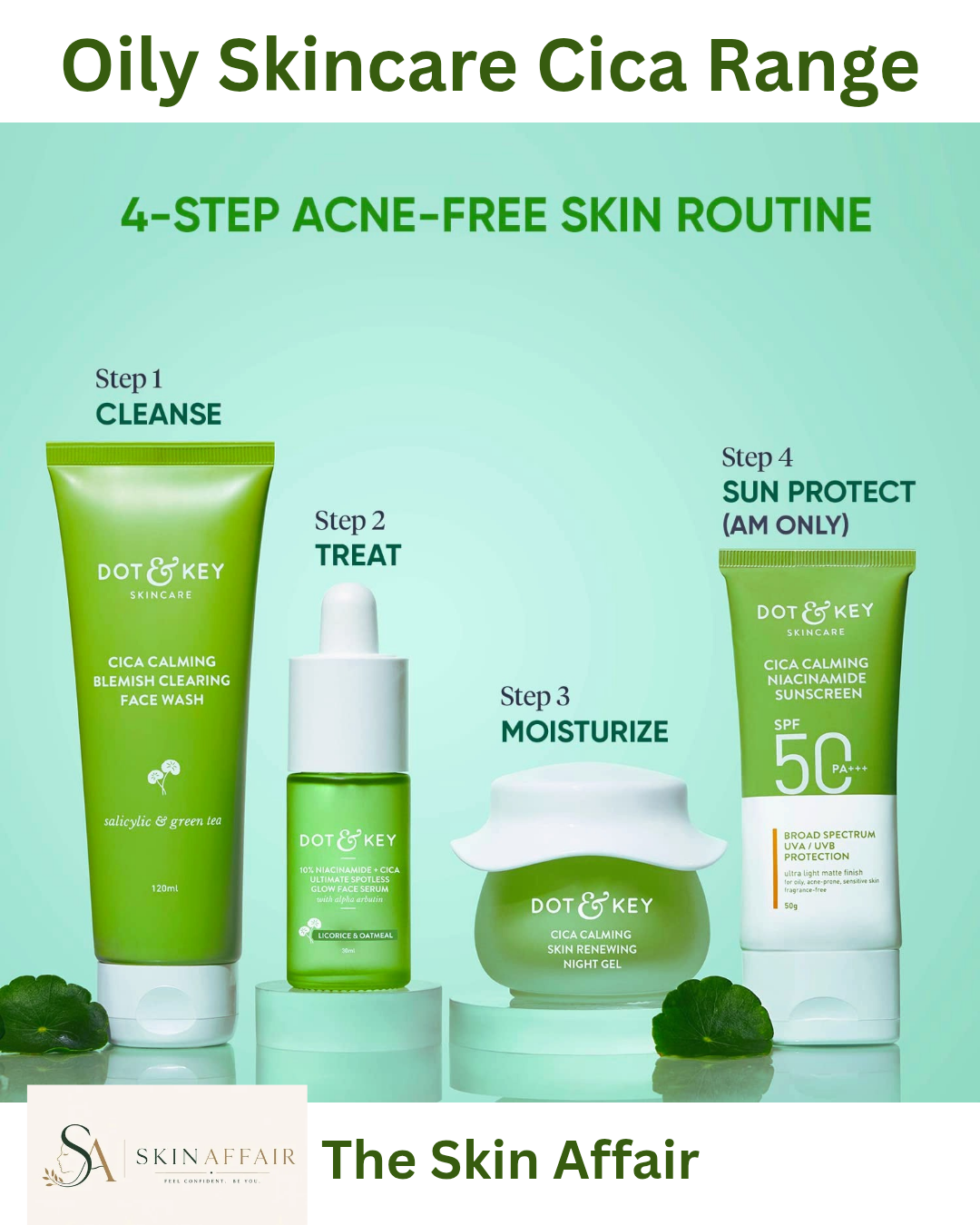
Step 1: Gentle Cleanser
Start with a gentle, non-abrasive cleanser. Avoid harsh scrubs because excessive irritation can make acne-prone skin more uncomfortable. Dermatologists generally recommend gentle cleansing up to twice a day and after sweating.
Step 2: Acne Treatment
Depending on your skin and the type of acne you have, products containing ingredients such as salicylic acid, benzoyl peroxide or azelaic acid may be useful. Salicylic acid helps unclog pores, while benzoyl peroxide helps reduce acne-associated bacteria.
If you are new to active ingredients, introduce products gradually and follow the product directions.
Step 3: Lightweight Moisturizer
Acne-prone skin still needs hydration. Acne treatments such as benzoyl peroxide, salicylic acid and retinoids can sometimes cause dryness or irritation, so a suitable moisturizer can help your skin tolerate treatment. Look for products labelled non-comedogenic or “won’t clog pores.”
Step 4: Sunscreen
Finish your morning routine with a broad-spectrum SPF 30 or higher sunscreen. A non-comedogenic sunscreen is a good option for acne-prone skin.
Night Skincare Routine
At night, cleanse your face gently to remove sunscreen, makeup, sweat and daily buildup.
If recommended for your skin, a topical retinoid such as adapalene can help unclog pores and prevent new breakouts. However, acne treatments can irritate the skin, so don’t start multiple strong active ingredients at the same time. Follow product directions and consider professional advice if you’re unsure which treatment is appropriate for you.
After treatment, apply a gentle moisturizer to support your skin barrier.
Common Skincare Mistakes That Can Make Acne Worse
Sometimes your skincare routine itself may be irritating your skin. Avoid:Scrubbing acne aggressivelyWashing your face repeatedly throughout the dayPicking or squeezing pimplesUsing too many active ingredients at onceSkipping moisturizer because your skin feels oilyUsing products that frequently irritate your skinGoing to bed without removing makeupPicking pimples can increase inflammation and may contribute to marks or scarring.
When Should You See a Dermatologist?
Mild acne can sometimes be managed with appropriate over-the-counter products. However, deep, painful acne, widespread breakouts, acne that leaves scars, or acne that does not improve with consistent treatment deserves professional attention. A dermatologist can determine whether the condition is actually acne and recommend an appropriate treatment plan.
Remember that acne treatment takes time. The American Academy of Dermatology notes that it can take around 6–8 weeks to start seeing fewer breakouts with an appropriate treatment plan.
Best Skincare Routine for Acne-Prone Skin
FAQ’s
1. What is the best skincare routine for acne-prone skin?
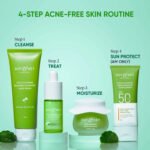
A simple routine usually includes a gentle cleanser, an appropriate acne treatment, moisturizer and sunscreen in the morning. At night, cleanse, use your recommended acne treatment and moisturize.
2. Is moisturizer good for acne-prone skin?
Yes. Moisturizer can help reduce dryness and irritation caused by some acne treatments. Choose a lightweight, non-comedogenic moisturizer.
3. Does sunscreen cause pimples?
Sunscreen itself does not necessarily cause acne. For acne-prone skin, choose a product labelled non-comedogenic or “won’t clog pores.”
4. Can I pop my pimples?
It is better to avoid squeezing or picking pimples. Doing so can worsen inflammation and increase the chance of marks or scarring.
5. How long does acne treatment take to work?
Acne usually doesn’t disappear overnight. With consistent and appropriate treatment, improvement may take several weeks. The AAD notes that 6–8 weeks may be needed before you start seeing fewer breakouts.
6. What ingredients are good for acne?
Common evidence-based ingredients include salicylic acid, benzoyl peroxide, adapalene and azelaic acid. The best option depends on your type and severity of acne and how your skin tolerates the product.
Conclusion
Best Skincare Routine for Acne-Prone Skin Having acne-prone skin doesn’t mean you need a complicated 10-step skincare routine. The most important things are gentle cleansing, appropriate acne treatment, regular moisturizing, daily sun protection and consistency. Avoid constantly switching products or trying harsh DIY remedies. Best Skincare Routine for Acne-Prone Skin Give your routine enough time to work, and seek professional advice if your acne is painful, severe, persistent or leaving scars. Healthy skin is not about having a completely poreless face. The goal is to manage acne, protect your skin barrier and build a routine that works for your skin over time.