10 Combination Skin: Causes, Signs & Skincare Routine
what combination skin is, its common signs and causes, and discover a simple skincare routine for oily and dry areas.
Combination skin can be confusing because your face may feel oily in some areas and dry or normal in others. You might notice a shiny forehead and nose while your cheeks feel comfortable or slightly dry. The good news is that combination skin can be managed with a balanced skincare routine that addresses both oiliness and dryness without over-treating either.
What Is Combination Skin?
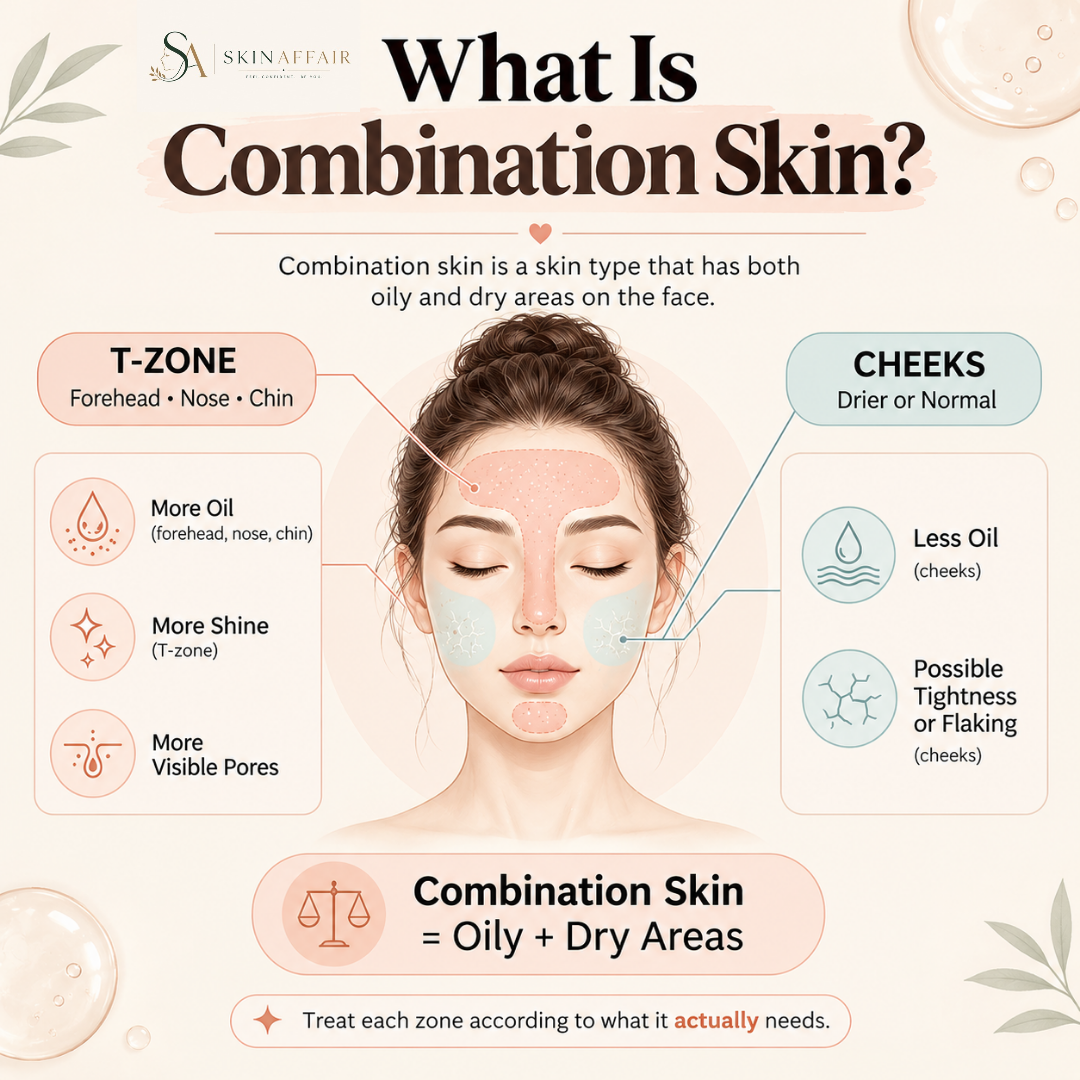
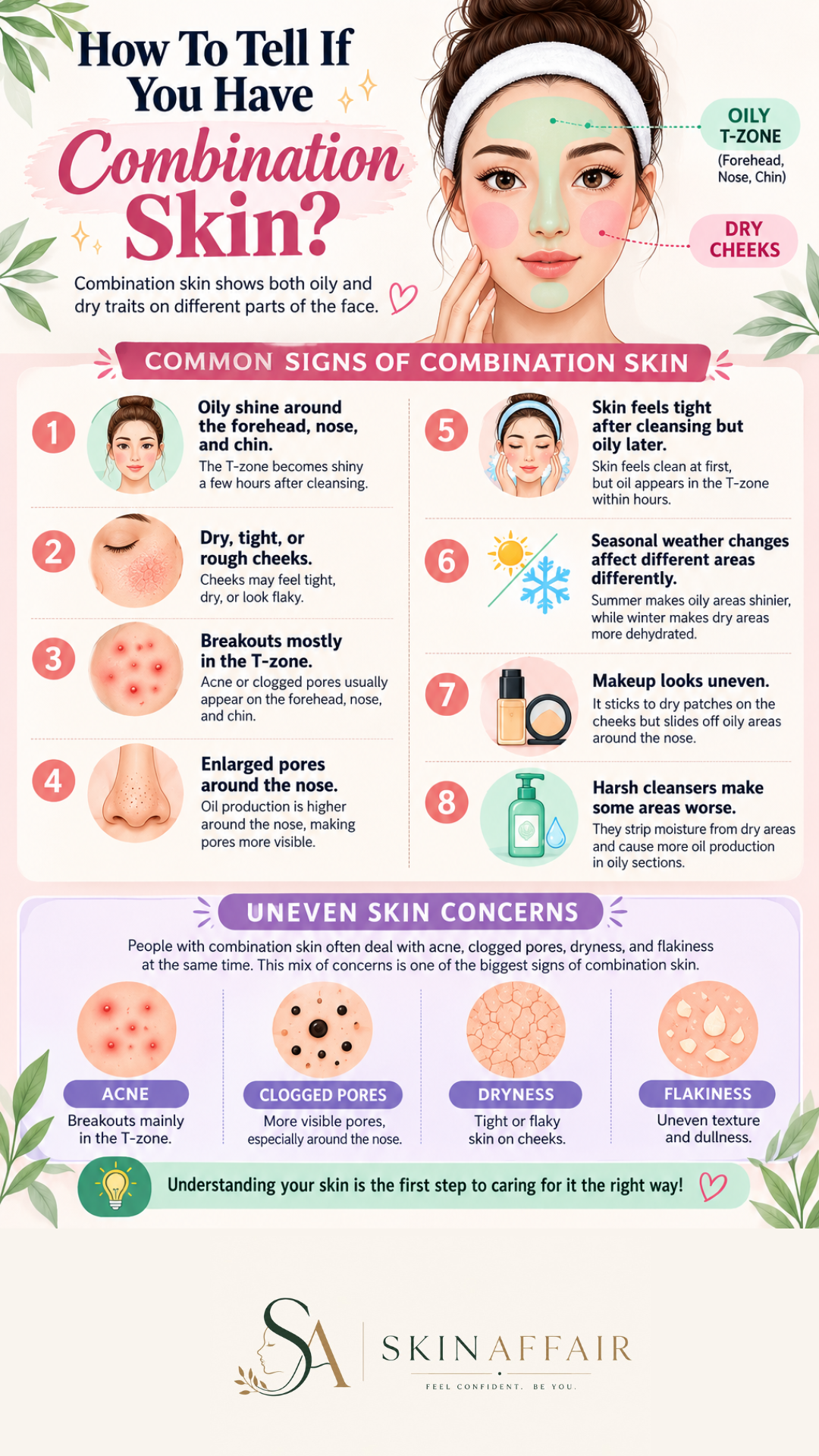
10 Combination Skin: Causes, Signs & Skincare Routine – Combination skin is a skin type in which different areas of the face have different characteristics. Most commonly, the T-zone (forehead, nose, and chin) produces more oil, while the cheeks are normal or dry.
People with combination skin may experience clogged pores, blackheads, occasional breakouts, dryness, or sensitivity at the same time. Your skin type can also change because of factors such as age, hormones, climate, and skincare habits.
How to Identify Combination Skin
Not sure if you have combination skin? Look for these common signs
– Oily or shiny forehead, nose, and chin
– Normal or dry cheeks- Enlarged-looking pores around the nose
– Occasional blackheads or breakouts
– Dry or tight feeling on the cheeks
– Makeup becoming oily around the T-zone
– Skin that reacts differently to products on different areas
One simple approach is to cleanse your face gently and leave it without skincare products for a short period. If some areas become noticeably oily while others feel dry or comfortable, you may have combination skin.
What 05 Causes of Combination Skin?
1. Genetics
Your natural skin characteristics are partly determined by genetics. If combination skin runs in your family, you may be more likely to have it.
2. Hormonal Changes
Hormonal fluctuations can affect sebum production, which may make certain areas of your face oilier.
3. Weather and Climate
Hot and humid weather can increase oiliness, while cold or dry weather may leave parts of the skin feeling dry.
4. Skincare Products
Using harsh cleansers or products that excessively strip the skin can make dryness and irritation more noticeable.
5. Age
Skin can change with age, including changes in oil production and moisture levels.
Best Skincare Routine for Combination Skin
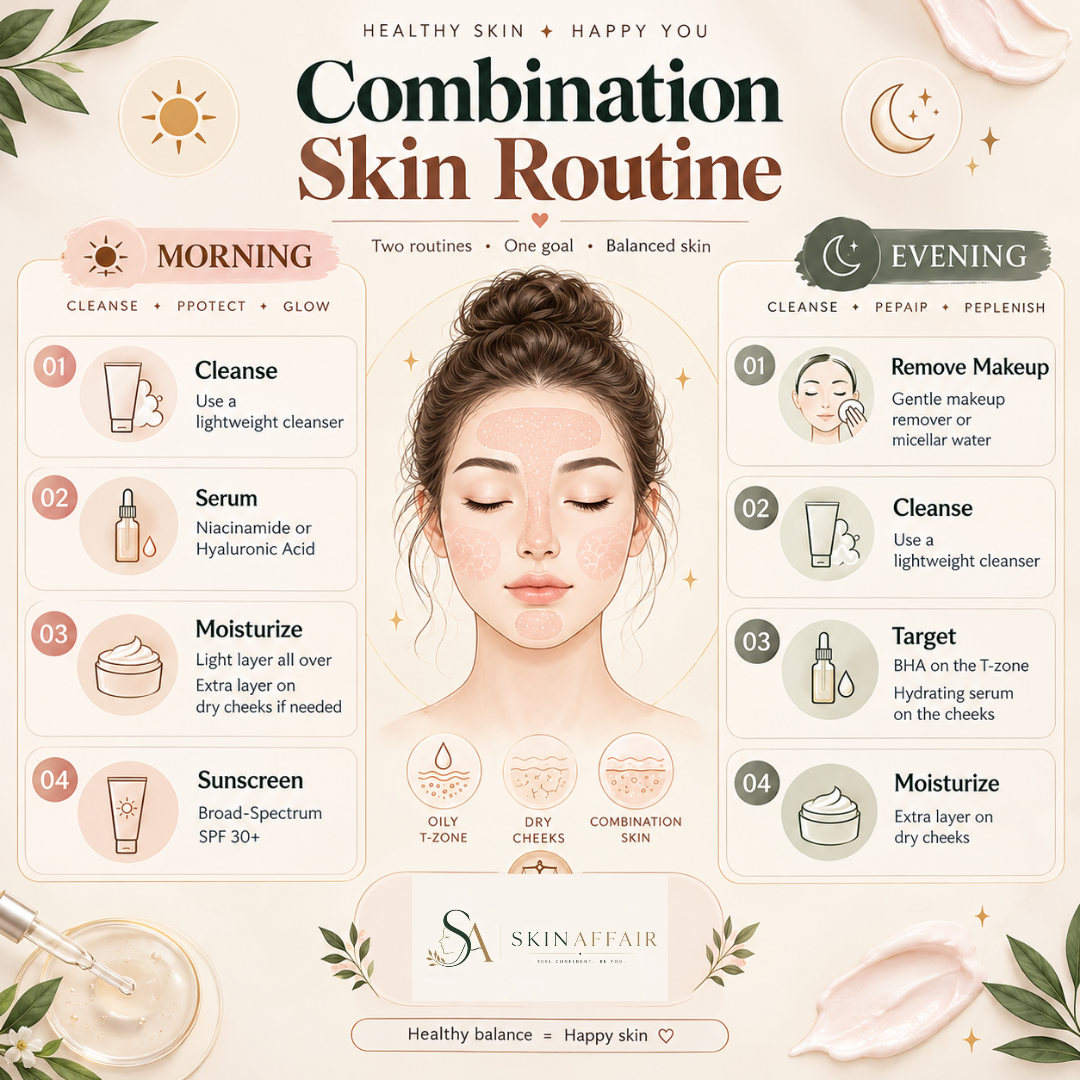
The goal of a combination skin routine is balance. You don’t necessarily need completely different products for every part of your face.
Morning Routine
Step 1: Gentle Cleanser
Use a mild cleanser to remove excess oil, sweat, and impurities without leaving your skin feeling tight.
Step 2: Lightweight Moisturizer
Choose a moisturizer that provides hydration without feeling overly heavy. Apply it across your face rather than skipping moisturizer on oily areas.
Step 3: Sunscreen
Finish with a broad-spectrum SPF 30 or higher sunscreen. Sunscreen is important every day, even when your skin is oily.
Night Routine
Step 1: Cleanse
Gently wash away sunscreen, makeup, oil, and dirt.
Step 2: Targeted Skincare
If NeededIf you experience clogged pores or occasional acne, a suitable acne-focused ingredient may help. Introduce active ingredients gradually and avoid using too many at once.
Step 3: Moisturize
Apply a comfortable moisturizer to help maintain your skin barrier overnight.
Ingredients That May Work Well for Combination Skin
When choosing skincare products, look for ingredients according to your skin’s needs.-
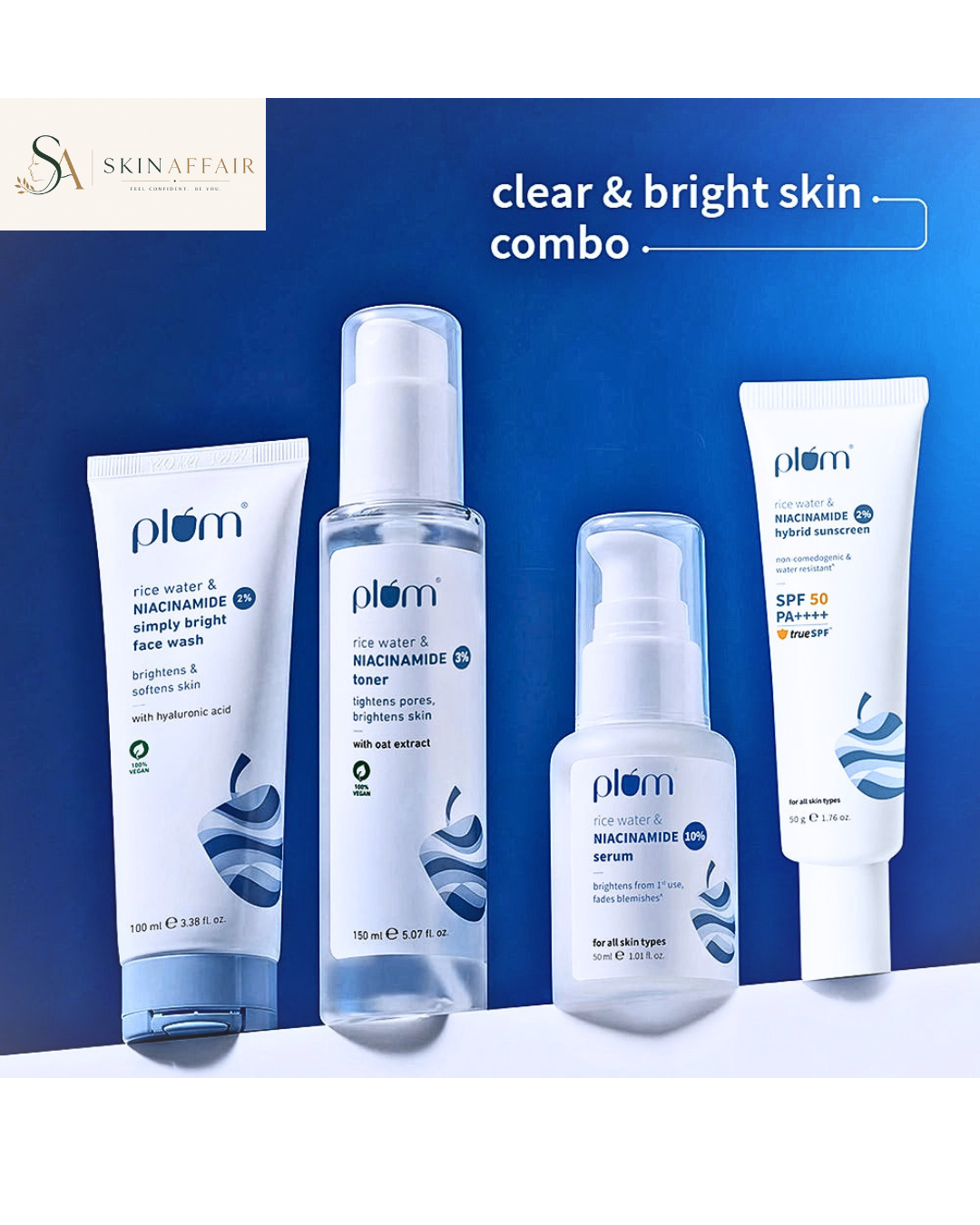
Niacinamide: Can help support the skin barrier and improve the appearance of excess oil
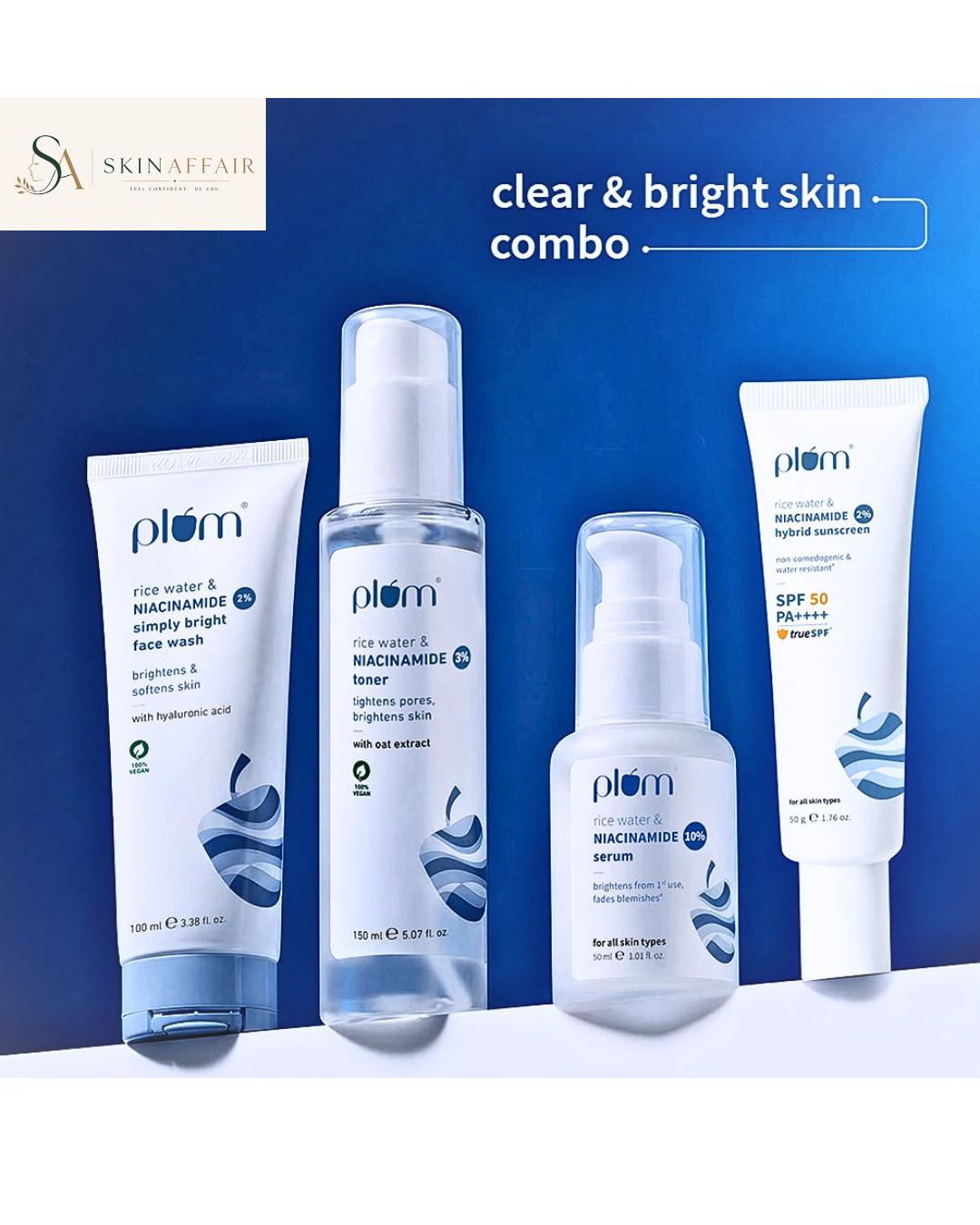
Hyaluronic acid: Helps provide hydration without necessarily feeling heavy.-
Salicylic acid: Can help with clogged pores and acne-prone areas.-
Ceramides: Help support the skin barrier and reduce moisture loss.
Remember that more ingredients do not necessarily mean better results. A simple routine that your skin tolerates well is often easier to maintain.
Common Mistakes to Avoid
If you have combination skin, avoid trying to completely remove oil from your face. Over-cleansing or frequently using harsh products can lead to dryness and irritation.
Other mistakes include:
-Skipping moisturizer because your T-zone is oily
– Using very harsh scrubs
– Changing products too frequently
– Applying too many active ingredients at once
– Forgetting sunscreen
– Picking or squeezing pimples
https://theskinaffair.in/korean-glass-skincare-routine/
Is combination skin oily or dry?
It can be both. Combination skin typically has an oilier T-zone and normal-to-dry areas elsewhere, especially the cheeks.
Can combination skin become acne-prone?
Yes. Excess oil and clogged pores can contribute to breakouts, particularly around the T-zone, although acne can occur anywhere on the face.
Is combination skin permanent?
Not necessarily. Skin characteristics can change with age, hormones, seasons, climate, and skincare habits.
What is the best cleanser for combination skin?
A gentle cleanser is generally a good starting point. Avoid cleansers that leave your skin feeling excessively tight, dry, or irritated.
Final Thoughts
Combination skin needs balance rather than aggressive oil control. A simple routine with a gentle cleanser, suitable moisturizer, and daily sunscreen can help keep your skin comfortable. If you also have acne, irritation, or persistent skin concerns, consider speaking with a dermatologist before adding strong active ingredients.